Want to Join Us?

We're on a mission to make education free again, the way it was under Gough Whitlam.

Help make TAFE and uni free.

The best way to help is to join us.

By submitting this form you confirm that you are an Australian citizen and enrolled to vote, that you are not relied upon by another party for the purposes of electoral registration, and that you hereby apply to join both the Federal and state Party as a member. You understand that you may be contacted by the Federal and/or State Electoral Commission to verify your membership, and that you abide by the constitution and associated regulations of the Parties.

CTA BG Image
Feature Image
Feature Image

EDUCATION IS A HUMAN RIGHT

EDUCATION IS A HUMAN RIGHT

It's time to roll back the clock.

It's time to roll back the clock.

It's time to roll back the clock.

Uni used to be free. It’s time to roll back the clock.

Uni used to be free. It’s time to roll back the clock.

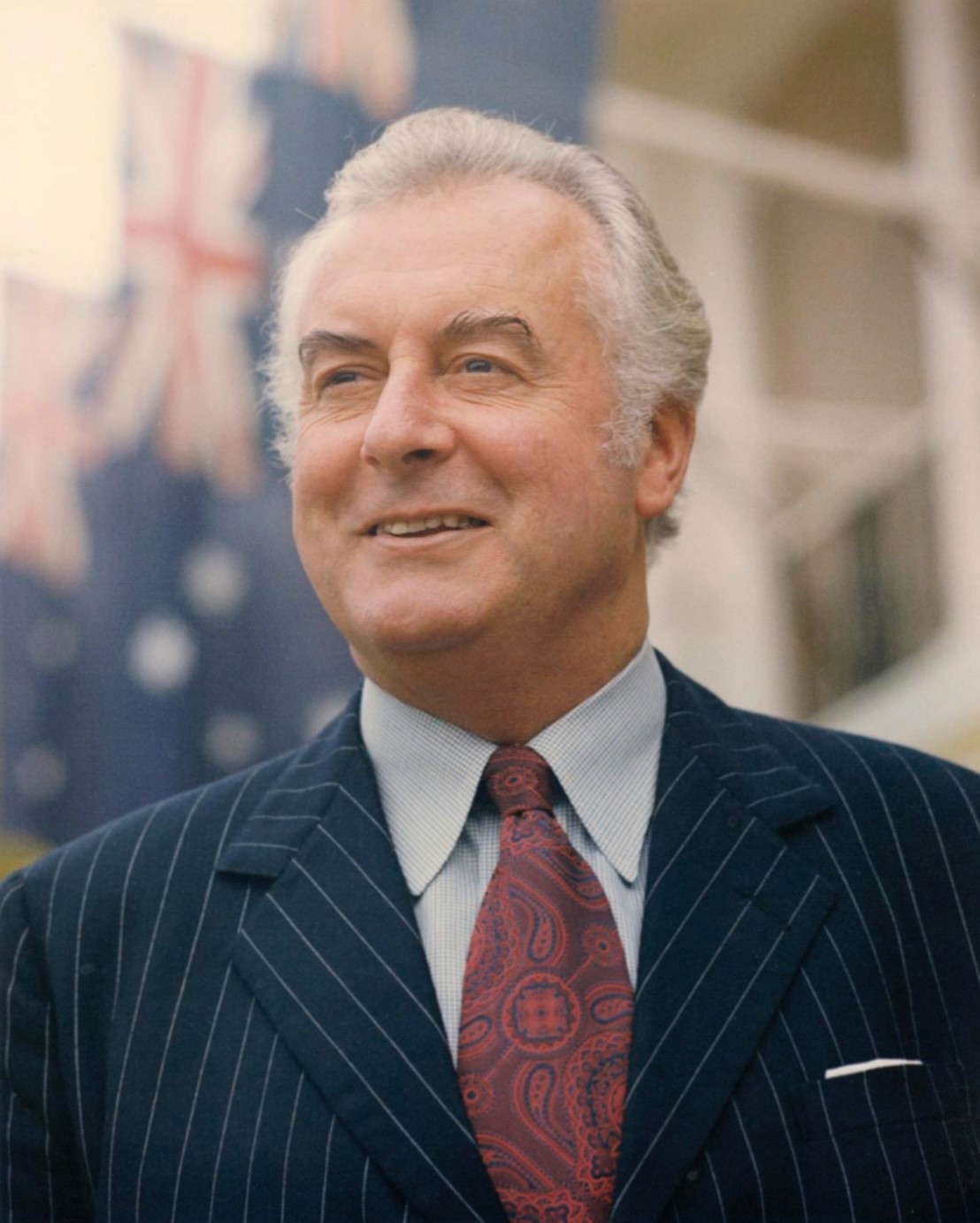
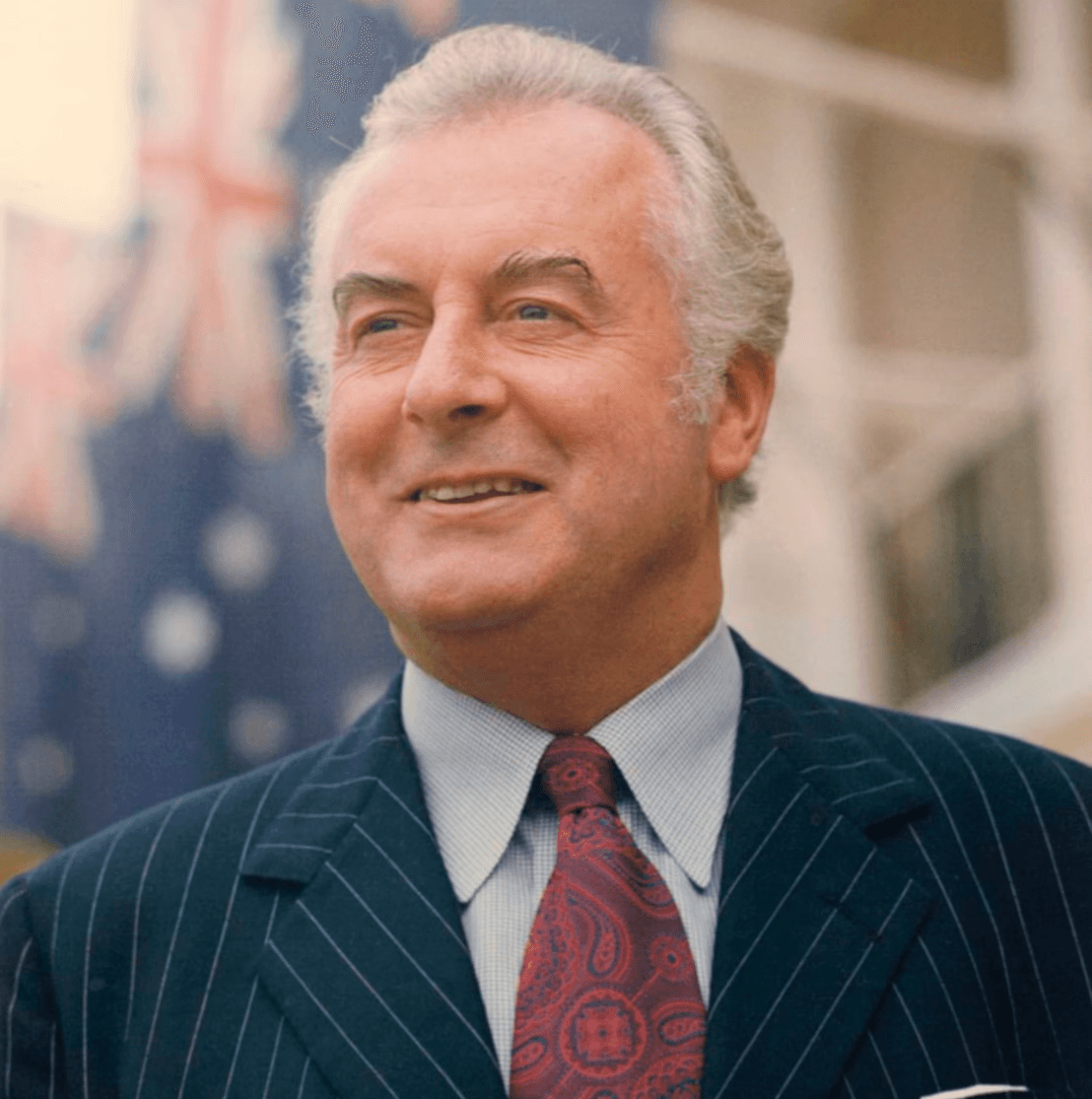
"When government makes opportunities for any of the citizens, it makes them for all the citizens… We are all diminished when any of us are denied proper education. " Gough Whitlam

"When government makes opportunities for any of the citizens, it makes them for all the citizens… We are all diminished when any of us are denied proper education. " Gough Whitlam

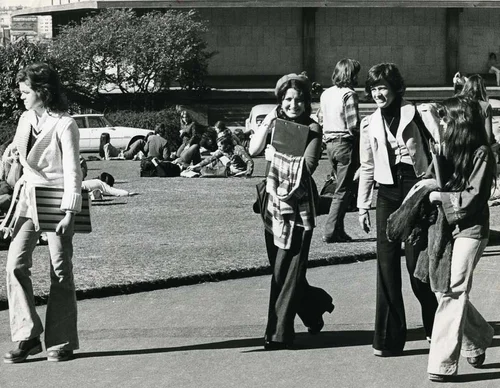
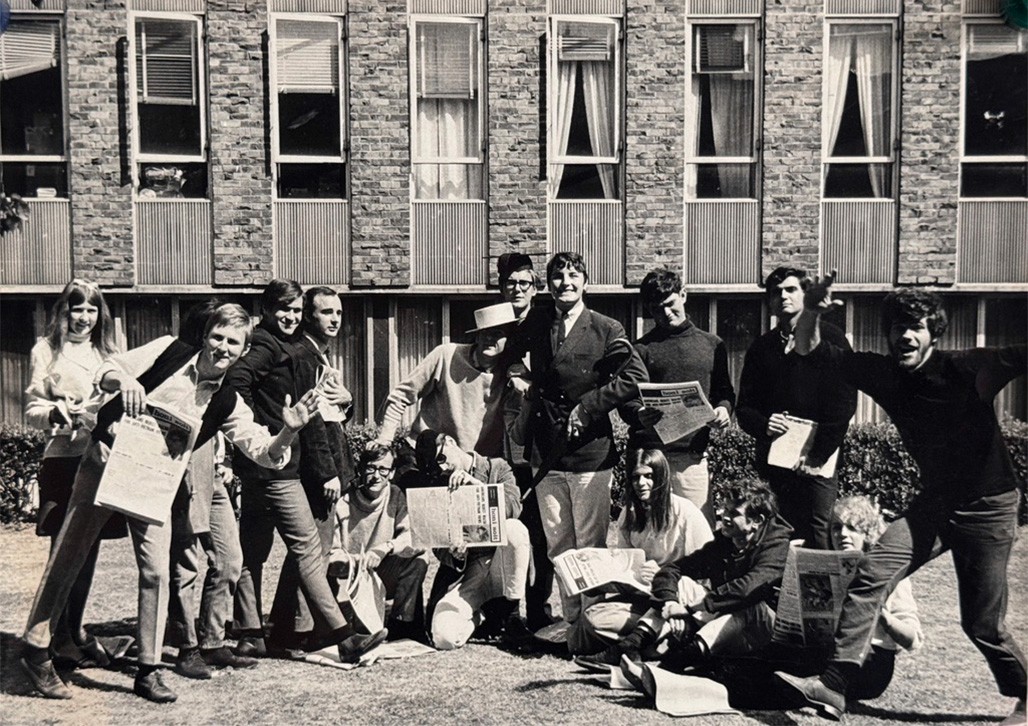
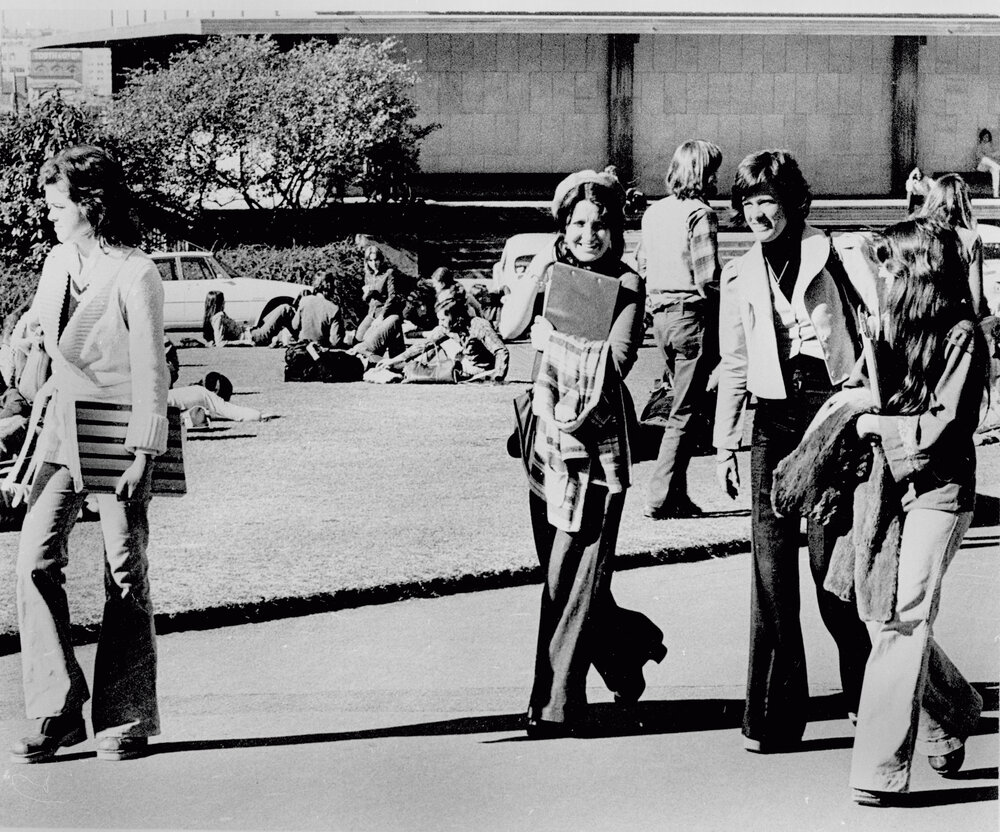
Education is the sea in which democracy swims. At one point, we all knew this. Our politicians have since forgotten it. When we invest in education, we invest in every Australian. For over a decade we lived by that belief. In 1974, Gough Whitlam made tertiary education free, allowing any Australian, regardless of their wealth to get a tertiary education. The results were transformative: children of working class families became doctors, teachers, and engineers, while the nation became smarter, fairer, and more ambitious.


This era of open opportunity didn’t last. In 1989, the Hawke government introduced the Higher Education Contribution Scheme (HECS) and with it debt crept in under the promise of 'sharing the cost'. Since then, across both major parties, fees have climbed with each budget cycle, while indexation allows the debt to spiral, and the idea of education as a public good has been replaced with the language of loans and liabilities. It is time to roll the clock back to when education was an investment in the future generations.

Education is the sea in which democracy swims. At one point, we all knew this. Our politicians have since forgotten it. When we invest in education, we invest in every Australian. For over a decade we lived by that belief. In 1974, Gough Whitlam made tertiary education free, allowing any Australian, regardless of their wealth to get a tertiary education. The results were transformative: children of working class families became doctors, teachers, and engineers, while the nation became smarter, fairer, and more ambitious.


This era of open opportunity didn’t last. In 1989, the Hawke government introduced the Higher Education Contribution Scheme (HECS) and with it debt crept in under the promise of 'sharing the cost'. Since then, across both major parties, fees have climbed with each budget cycle, while indexation allows the debt to spiral, and the idea of education as a public good has been replaced with the language of loans and liabilities. It is time to roll the clock back to when education was an investment in the future generations.

"When government makes opportunities for any of the citizens, it makes them for all the citizens… We are all diminished when any of us are denied proper education. " Gough Whitlam

Education is the sea in which democracy swims. At one point, we all knew this. Our politicians have since forgotten it.


When we invest in education, we invest in every Australian. For over a decade we lived by that belief. In 1974, Gough Whitlam made tertiary education free, allowing any Australian, regardless of their wealth to get a tertiary education. The results were transformative: children of working class families became doctors, teachers, and engineers, while the nation became smarter, fairer, and more ambitious.

This era of open opportunity didn’t last. In 1989, the Hawke government introduced the Higher Education Contribution Scheme (HECS) and with it debt crept in under the promise of 'sharing the cost'. Since then, across both major parties, fees have climbed with each budget cycle, while indexation allows the debt to spiral, and the idea of education as a public good has been replaced with the language of loans and liabilities.


It is time to roll the clock back to when education was an investment in the future generations.

The student debt crisis.

We need to fix the debt crisis.

We need to fix the debt crisis.

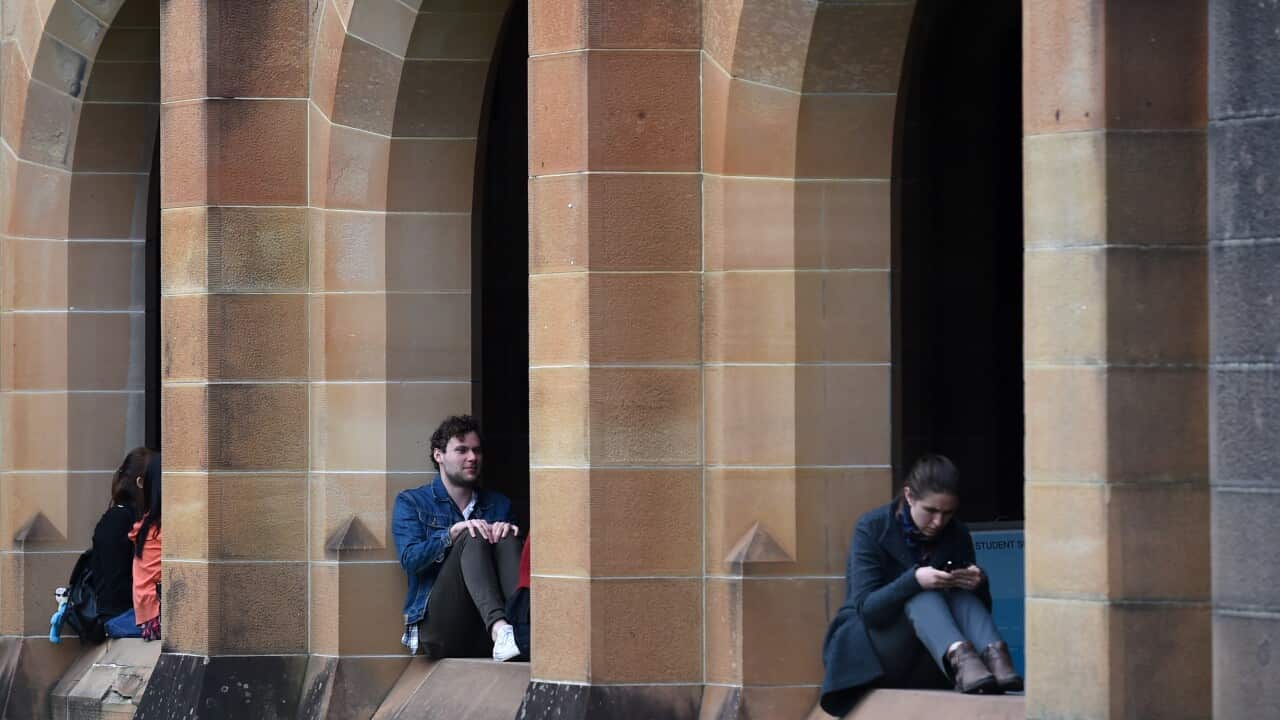
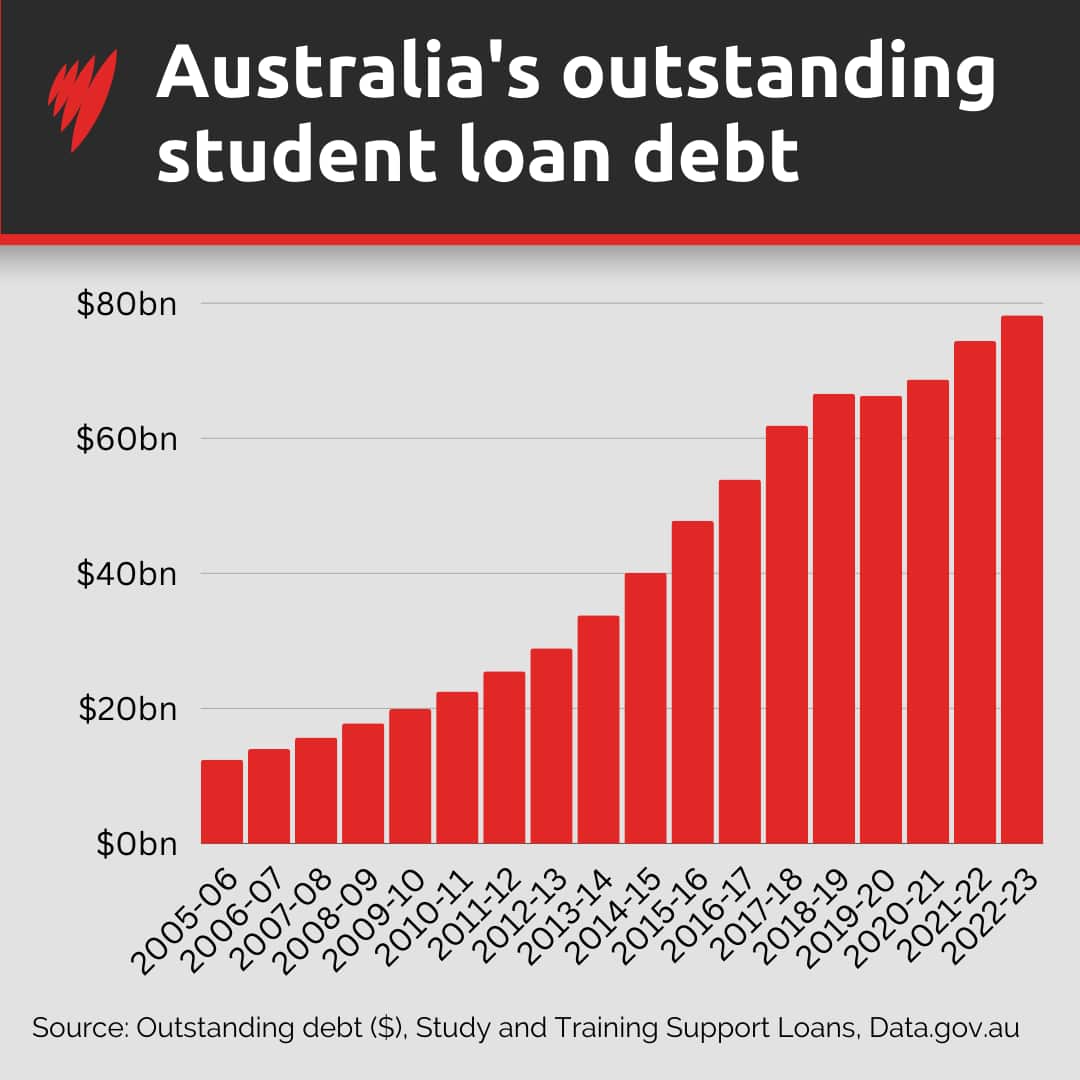
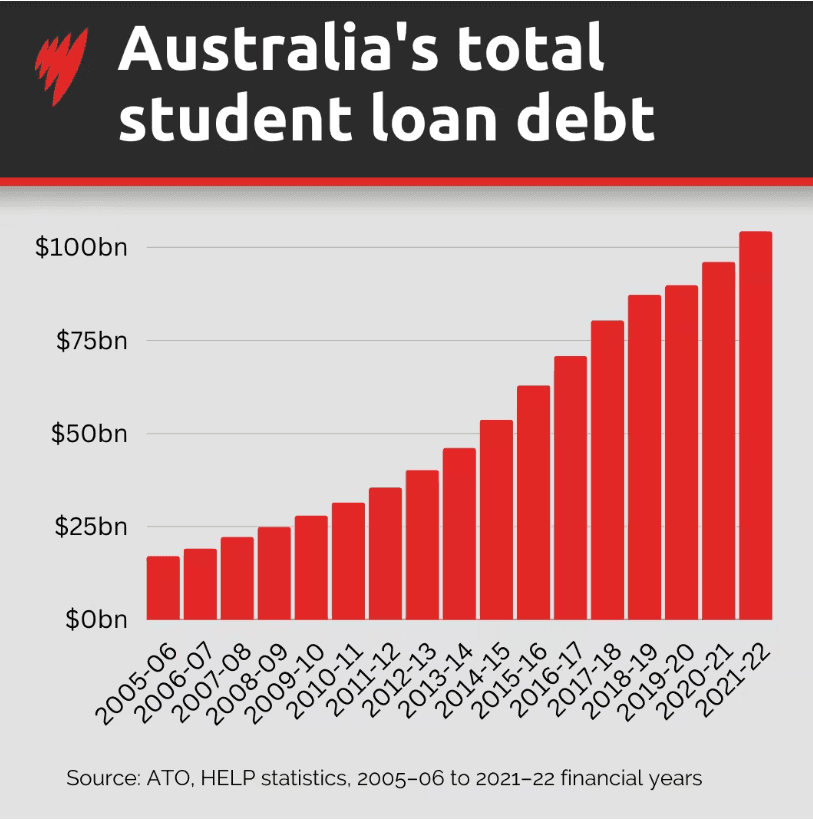
Over 3 million Australians are saddled with student debt, totalling approximately $80 billion (ATO). Most Australian undergraduates with Commonwealth Supported Places leave university with approximately $25,000 to $45,000 in student debt. With indexation tied to the consumer price index, it is common that after a year of paying off your loan, you are back to where you started.

This has a real world impact for everyday punters. The median salary for Australians with a bachelor degree is $88,400. Under current rules, compulsory student loan repayments reduce take-home pay by 4.8% each year. For a typical bachelor degree debt, this burden lasts more than a decade, often around 13 years once indexation is included, reducing borrowing capacity and making it harder to build wealth or qualify for a mortgage.


The burden is invisible but everywhere. Young Australians delay buying homes, starting families or retraining because of a system that punishes ambition. Teachers, nurses, and paramedics are among the most indebted. Meanwhile, approximately one in four of our politicians benefited from free university. How is this fair?

Over 3 million Australians are saddled with student debt, totalling approximately $80 billion (ATO). Most Australian undergraduates with Commonwealth Supported Places leave university with approximately $25,000 to $45,000 in student debt. With indexation tied to the consumer price index, it is common that after a year of paying off your loan, you are back to where you started.

This has a real world impact for everyday punters. The median salary for Australians with a bachelor degree is $88,400. Under current rules, compulsory student loan repayments reduce take-home pay by 4.8% each year. For a typical bachelor degree debt, this burden lasts more than a decade, often around 13 years once indexation is included, reducing borrowing capacity and making it harder to build wealth or qualify for a mortgage.


The burden is invisible but everywhere. Young Australians delay buying homes, starting families or retraining because of a system that punishes ambition. Teachers, nurses, and paramedics are among the most indebted. Meanwhile, approximately one in four of our politicians benefited from free university. How is this fair?

Over 3 million Australians are saddled with student debt, totalling approximately $80 billion (ATO). Most Australian undergraduates with Commonwealth Supported Places leave university with approximately $25,000 to $45,000 in student debt. With indexation tied to the consumer price index, it is common that after a year of paying off your loan, you are back to where you started.


This has a real world impact for everyday punters. The median salary for Australians with a bachelor degree is $88,400. Under current rules, compulsory student loan repayments reduce take-home pay by 4.8% each year. For a typical bachelor degree debt, this burden lasts more than a decade, often around 13 years once indexation is included, reducing borrowing capacity and making it harder to build wealth or qualify for a mortgage.


The burden is invisible but everywhere. Young Australians delay buying homes, starting families or retraining because of a system that punishes ambition. Teachers, nurses, and paramedics are among the most indebted. Meanwhile, approximately one in four of our politicians benefited from free university. How is this fair?

Feature Image
Feature Image

SHOW ME THE MONEY

SHOW ME THE MONEY

SHOW ME THE MONEY

SHOW ME THE MONEY

Why are fees so high?

Why are fees so high?

Why are fees so high?

Fee setting and spending ought to be subject to the same discipline applied to other public education systems. Of Australia’s 44 universities, 39 are public institutions, funded and chartered by the state. Primary and secondary schools are funded on a per student basis tied directly to teaching delivery. Universities are not; instead, students are charged upfront or saddled with debt that takes decades to pay off.


What are these fees funding? Australian universities collectively held $63.8 billion in property, plant and equipment, and $24.5 billion in financial investments. The Department of Education’s 2022 financial report found that universities spent $2.8 billion on capital works, expanding campuses and infrastructure, while teaching workloads intensified and real wages stagnated. Universities are not cash poor institutions, yet students continue to pay tens of thousands of dollars for degrees delivered through large lectures, standardised tutorials, and digital materials delivered at scale. When broken down, the cost per lecture or tutorial bears little resemblance to the fees charged, and increases in student contributions have not flowed proportionately to teaching salaries. The government already has a clear, detailed philosophy for how public education should be funded. Universities are the anomaly, and we need to question why.

Fee setting and spending ought to be subject to the same discipline applied to other public education systems. Of Australia’s 44 universities, 39 are public institutions, funded and chartered by the state. Primary and secondary schools are funded on a per student basis tied directly to teaching delivery. Universities are not; instead, students are charged upfront or saddled with debt that takes decades to pay off.


So what are these fees funding? Australian universities collectively held $63.8 billion in property, plant and equipment, and $24.5 billion in financial investments. The Department of Education’s 2022 financial report found that universities spent $2.8 billion on capital works, expanding campuses and infrastructure, while teaching workloads intensified and real wages stagnated. Universities are not cash poor institutions, yet students continue to pay tens of thousands of dollars for degrees delivered through large lectures, standardised tutorials, and digital materials delivered at scale. When broken down, the cost per lecture or tutorial bears little resemblance to the fees charged, and increases in student contributions have not flowed proportionately to teaching salaries. The government already has a clear, detailed philosophy for how public education should be funded. Universities are the anomaly, and we need to question why.

Why should we make education free?

Why should we make education free?

Why should we make education free?

When government makes opportunities for any of the citizens, it makes them for all the citizens. Making tertiary education free has broad benefits for Australian society and the Australian economy. Graduates earn more over their lifetimes, pay more tax, and are less likely to rely on public services [Department of Education, OECD]. These benefits accrue to the whole community, not just the individual who receives the degree. Making university free would make graduates more willing to retrain, change industries, or move to where skills are needed most. This flexibility matters in an economy facing rapid technological change and skills shortages. Free education further reduces barriers to entry for capable students from low and middle income backgrounds. When access to education is based on ability rather than willingness to take on debt, talent is better matched to opportunity.
How will we fund free uni and TAFE?

How will we fund free uni and TAFE?

How will we fund free uni and TAFE?

Currently, student loan repayments contribute more to the tax office than mining companies do. Australia can fund free university and TAFE by replacing the revenue currently raised from student contributions with alternative public revenue sources. At current prices, making university and TAFE free for Australian students would cost around $6 billion per year. In 2024, Commonwealth supported places generated approximately $5.3 billion in student contributions through HECS-HELP, with a further $646 million paid upfront by students, a total of approximately $6.0 billion annually. Replacing this amount represents the ongoing cost of free university at existing fee levels, before any efficiency or cost-discipline reforms. (Norton, CSP funding estimates, 2024.)


That cost is currently borne by students and recovered over time through compulsory student loan repayments, which have become a significant and recurring revenue stream. In some years, these repayments have exceeded revenue collected from the Petroleum Resource Rent Tax. (ABC Fact Check, Commonwealth budget documents.)


By contrast, revenue from the taxation of offshore resource rents remains modest relative to the scale of profits generated from Australia’s natural resources. Commonwealth budget papers report PRRT receipts of approximately $2.3 billion in 2022–23, $1.1 billion in 2023–24, and an estimated $2.7 billion in 2024–25, despite sustained high export volumes and prices. (Final Budget Outcome; Budget Statements.)

Free university and TAFE therefore present a question of revenue substitution, not affordability. Replacing the $6 billion per year currently raised from students with alternative public revenue sources would shift the funding burden away from young workers and toward windfall profits derived from shared national assets.

Currently, student loan repayments contribute more to the tax office than mining companies do. Australia can fund free university and TAFE by replacing the revenue currently raised from student contributions with alternative public revenue sources. At current prices, making university and TAFE free for Australian students would cost around $6 billion per year. In 2024, Commonwealth supported places generated approximately $5.3 billion in student contributions through HECS-HELP, with a further $646 million paid upfront by students, a total of approximately $6.0 billion annually. Replacing this amount represents the ongoing cost of free university at existing fee levels, before any efficiency or cost-discipline reforms. (Norton, CSP funding estimates, 2024.)


That cost is currently borne by students and recovered over time through compulsory student loan repayments, which have become a significant and recurring revenue stream. In some years, these repayments have exceeded revenue collected from the Petroleum Resource Rent Tax. (ABC Fact Check, Commonwealth budget documents.)

By contrast, revenue from the taxation of offshore resource rents remains modest relative to the scale of profits generated from Australia’s natural resources. Commonwealth budget papers report PRRT receipts of approximately $2.3 billion in 2022–23, $1.1 billion in 2023–24, and an estimated $2.7 billion in 2024–25, despite sustained high export volumes and prices. (Final Budget Outcome; Budget Statements.)

Free university and TAFE therefore present a question of revenue substitution, not affordability. Replacing the $6 billion per year currently raised from students with alternative public revenue sources would shift the funding burden away from young workers and toward windfall profits derived from shared national assets.

WHY WE FORMED A PARTY

WHY WE FORMED A PARTY

So how are we going to make free education happen?

The only reliable way to change policy in Australia is to change political incentives. Governments respond to electoral risk, parliamentary arithmetic, and sustained media attention. Petitions and reports alone rarely shift outcomes.


Free TAFE Free Uni was formed to apply that pressure in a focused and disciplined way. It is a single issue political party with one objective: making tertiary education free and cancelling student debt.


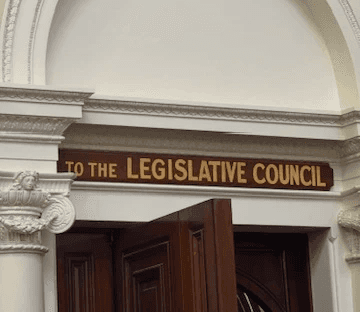
On 27 January, Free TAFE Free Uni will submit its application for registration as a political party with the Victorian Electoral Commission. Our intention is to contest every district and upper house region at the next Victorian state election in November 2026, ensuring that education is no longer peripheral in the political debate.

HOW CAN YOU HELP?

HOW CAN YOU HELP?

HOW CAN YOU HELP?

HOW CAN YOU HELP?

Join Free TAFE Free Uni.

Join Free TAFE Free Uni.

Join Free TAFE Free Uni.

Free TAFE Free Uni is here. We will be on the ballot paper in Victoria. Once registered, our goal is to register federally, and then in every other state and territory. Right now, the binding constraint is numbers. To register federally, we need a minimum number of members. Every person who joins moves us closer to that threshold. The most direct way to help at this stage is simply to join the party using the form at the top of the page. Becoming a member is free, you just need to share your details so we can confirm that you are enrolled to vote.

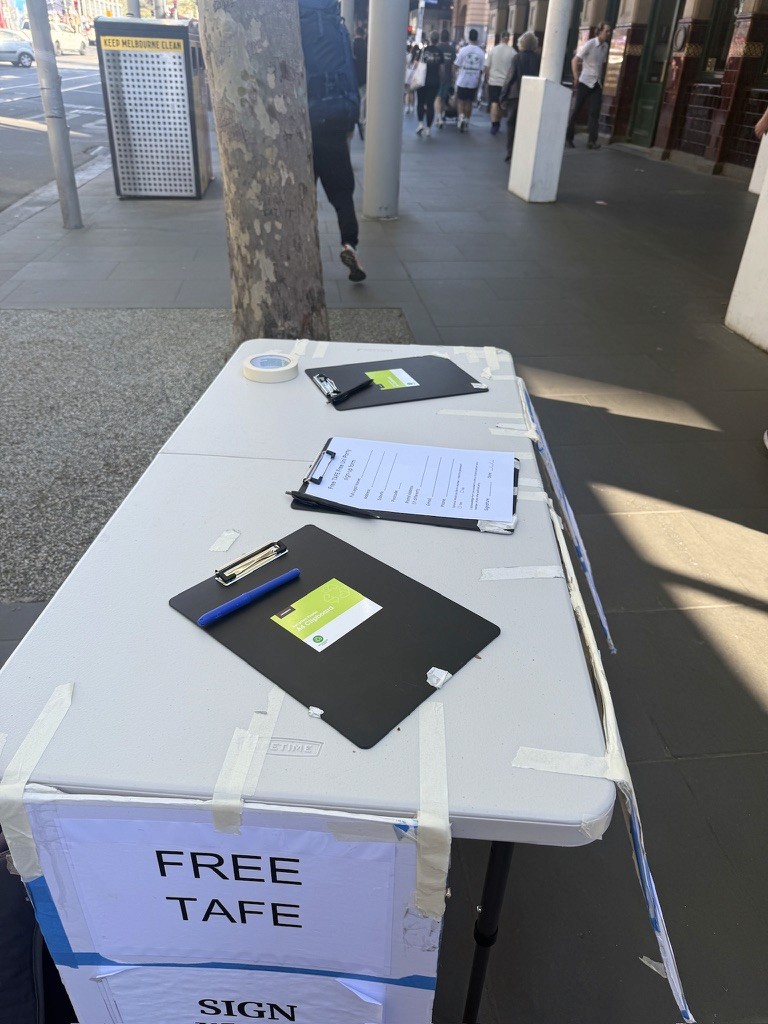
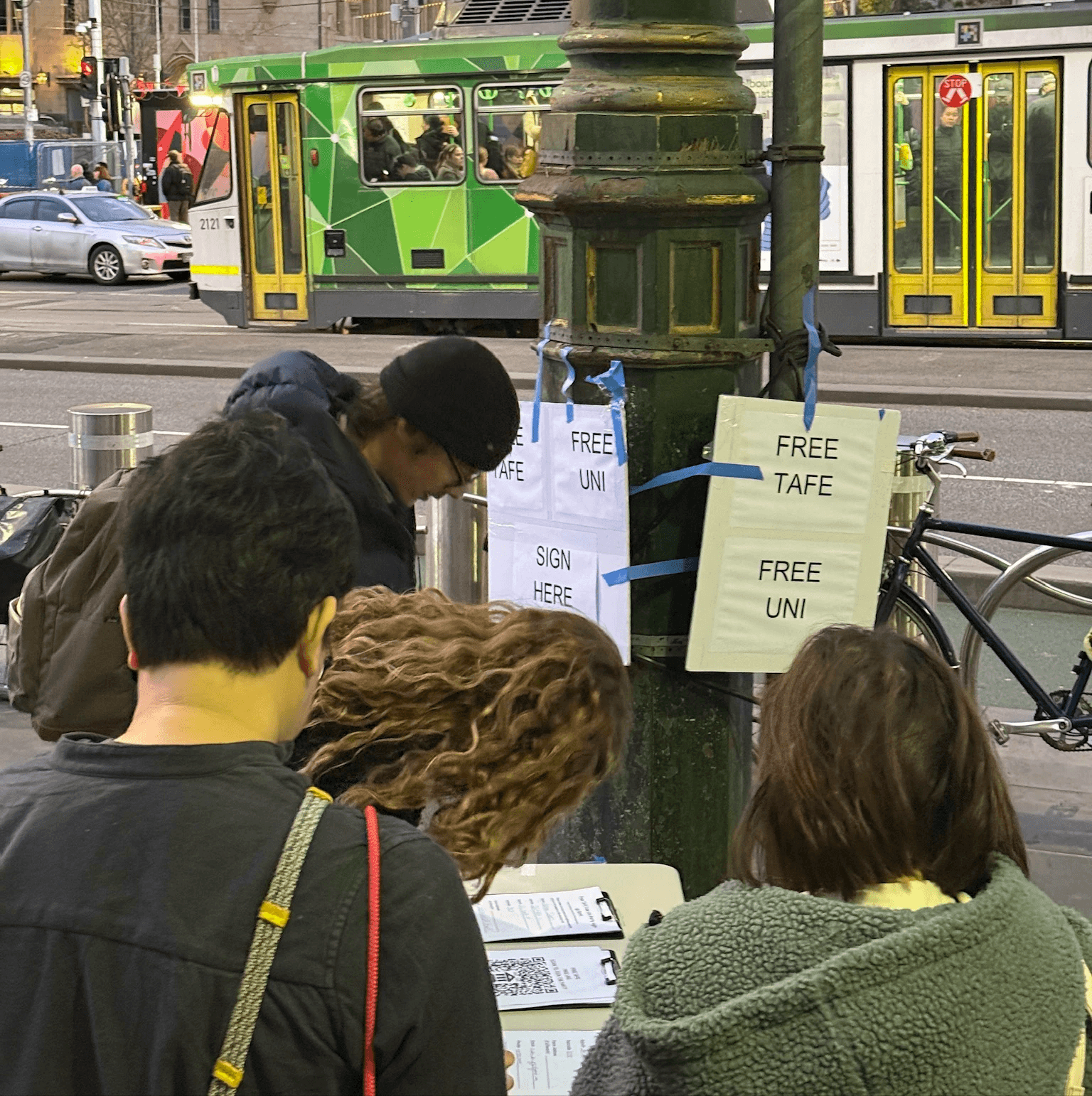
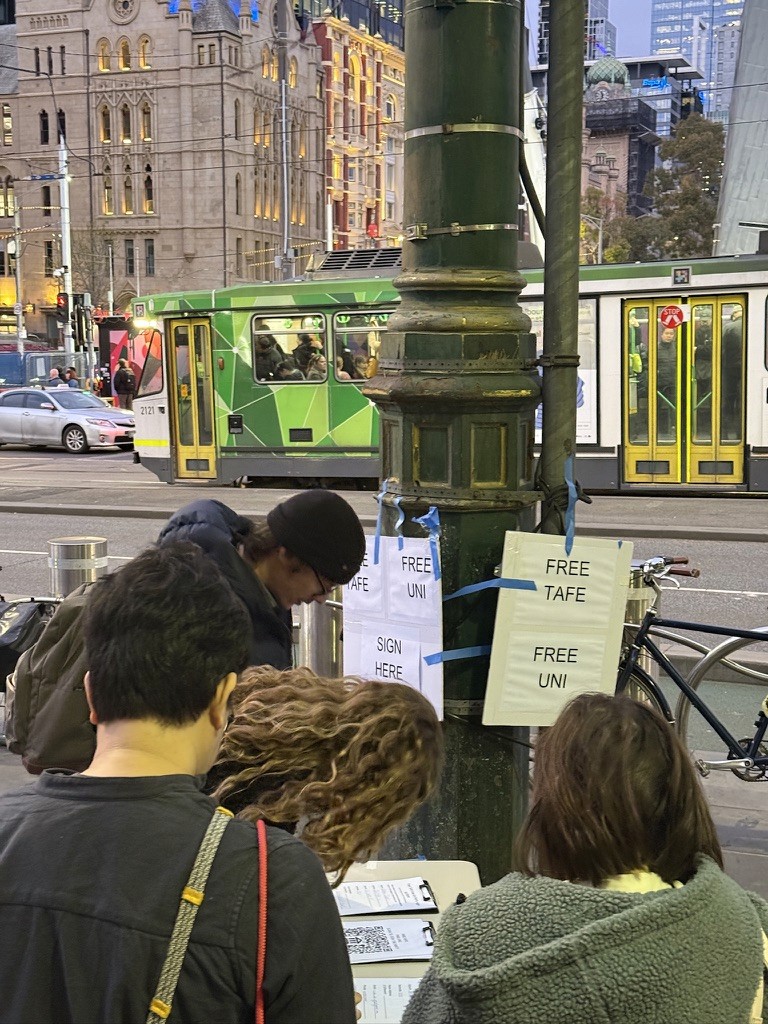
So far, this has been run on a very shoestring budget. Total costs to date are under $200, covering a table, paper forms, and clipboards. The next costs are unavoidable. Candidate nomination fees are $350 per candidate, and as we’re planning to field 88 candidates in the lower house and 40 in the upper house, we’ll need to raise $44,800 by November. If you are able to contribute, even if it's a few dollars, it makes a real difference. If not, no worries.


We’re in the process of getting our bank account and donation system set up, so in the meantime if you would like to donate please fill out the Google Form using the button below, and we’ll reach back out to you once our systems are set up.

Volunteer.

Volunteer.

Volunteer.

Right now we’re run entirely by volunteers! Over the coming months we will be running sausage sizzles and volunteer stalls, and during elections we will need people to hand out how to vote cards and help with basic logistics. Even an hour here or there is useful, there is no expectation of ongoing commitment. Letting us know you are open to helping if your schedule allows is enough (you’ll also get invites to socials with free pizza).

Stand for parliament.

Stand for parliament.

Stand for parliament.

Finally, we are accepting expressions of interest for those who want to fight to make education free by standing for parliament. We will review the applications and make decisions about candidates in July.
Share your experience.

Share your experience.

Share your experience.

We’d like to gather stories from the different eras of education in Australia. Whether you got free university during the Whitlam era, or were around when HECS was introduced, we would love to hear what it was like. To share your experience, please fill out the form, or send an email to stories@freetafefreeuni.org.

We’d like to gather stories from the different eras of education in Australia. Whether you got free university during the Whitlam era, or were around when HECS was introduced, we would love to hear what it was like. To share your experience, please fill out the form, or send an email to stories@freetafefreeuni.org

Media enquiries

Interview Requests

Journalists and content creators seeking comment from Free TAFE Free Uni are invited to contact the party secretary via media@freetafefreeuni.org, or to submit an enquiry using the adjacent form.


Launch Content and Brand Assets

This folder contains approved launch materials and brand assets, including images, copies of launch videos, selected TikTok content, and photographs taken during the party’s registration process.


All quotes may be attributed to the party secretary, Thomas Dolan.


info@freetafefreeuni.org
@freetafefreeuni
Authorised by Thomas Dolan.

470 St Kilda Road.
Melbourne, Victoria.

Free TAFE Free Uni acknowledges Traditional Owners of Country throughout Australia and recognises the continuing connection to lands, waters and communities. We pay our respect to Aboriginal and Torres Strait Islander cultures; and to Elders past and present. Aboriginal and Torres Strait Islander peoples should be aware that this website may include references to and images of deceased persons, as well as historical images that may be confronting.

Connect with us

Social Icon
Social Icon
Social Icon

info@freetafefreeuni.org
@freetafefreeuni
Authorised by Thomas Dolan.

470 St Kilda Road.
Melbourne, Victoria.

Free TAFE Free Uni acknowledges Traditional Owners of Country throughout Australia and recognises the continuing connection to lands, waters and communities. We pay our respect to Aboriginal and Torres Strait Islander cultures; and to Elders past and present. Aboriginal and Torres Strait Islander peoples should be aware that this website may include references to and images of deceased persons, as well as historical images that may be confronting.

Connect with us

Social Icon
Social Icon
Social Icon

Help make education free.

We’re forming Free TAFE Free Uni to insert education back into the national debate. By joining, you’ll help us to register federally, and in your state.

By submitting this form you confirm that you are an Australian citizen and enrolled to vote, that you are not relied upon by another party for the purposes of electoral registration, and that you hereby apply to join both the Federal and state Party as a member. You understand that you may be contacted by the Federal and/or State Electoral Commission to verify your membership, and that you abide by the constitution and associated regulations of the Parties.

Media enquiries

Interview Requests

Journalists and content creators seeking comment from Free TAFE Free Uni are invited to contact the party secretary via media@freetafefreeuni.org, or to submit an enquiry using the adjacent form.


Launch Content and Brand Assets

This folder contains approved launch materials and brand assets, including high resolution images, copies of launch videos, selected TikTok content, and photographs taken during the party’s registration process.


All quotes may be attributed to the party secretary, Thomas Dolan.


How are we going to make free education happen?

The only reliable way to change policy in Australia is to change political incentives. Governments respond to electoral risk, parliamentary arithmetic, and sustained media attention. Petitions and reports alone rarely shift outcomes.


Free TAFE Free Uni was formed to apply that pressure in a focused and disciplined way. It is a single issue political party with one objective: making tertiary education free and cancelling student debt.


On 28 January, Free TAFE Free Uni will submit its application for registration as a political party with the Victorian Electoral Commission. Our intention is to contest every district and upper house region at the next Victorian state election in November 2026, ensuring that education is no longer peripheral in the political debate.